

Best Value Degrees in Urban Planning and Sustainable Development
Find your perfect value college
Why Affordable Urban Planning Degrees Matter in 2026
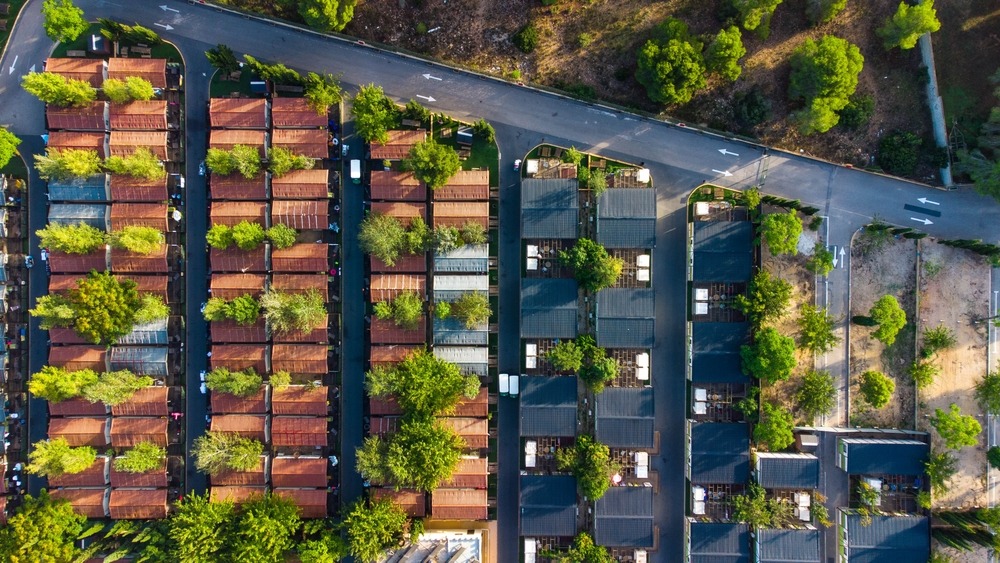
Cities are growing quickly as more people move in, and towns are updating their neighborhoods to handle climate challenges, improve transportation, and support sustainable living. This creates a strong need for experts in urban planning and sustainable development.
Urban planning careers are growing because governments and companies need people who understand these things:
Featured Programs
- climate resilience
- green infrastructure
- affordable housing
- smart transit systems
However, college costs keep rising. Finding a high-quality, affordable program can make a big difference for your future and your finances.
This guide highlights the best value urban planning degrees. These are affordable programs that also prepare you for real jobs in 2026 and beyond. The guide covers costs, career paths, online options, and tips for choosing the right program.
Related:
- Top Affordable Liberal Arts Degrees with High Salary and ROI
- Top Business Degrees with High ROI and Low Tuition
- Affordable Degrees in Management for Small Business Owners
- Top Affordable Degrees for Aspiring Entrepreneurs
What Makes an Urban Planning Degree a “Best Value”?
A best value degree combines quality education, good career results, and affordable tuition.
Here’s what those affordable urban planning programs mean:
Indicators of Affordability
- In‑state tuition or low overall cost is compared to other colleges.
- Online or hybrid programs let you study from home, saving money on housing.
- Tuition assistance programs like Western Undergraduate Exchange (WUE) or regional reciprocity help lower costs for students from neighboring states.
- Strong financial aid or scholarships reduce out‑of‑pocket expenses.
Indicators of High Academic Value
Value isn’t just about low cost; it also depends on what you learn and how well the program prepares you for a career. Look for programs accredited by the Planning Accreditation Board (PAB) or recognized regional accrediting bodies. These best value urban planning degrees offer:
- Hands‑on learning like studio classes, fieldwork, or real city projects.
- Training in tools like GIS (Geographic Information Systems) — software planners use to analyze maps and patterns.
- Coursework in policy, sustainability, community development, and environmental planning.
Labor Market Demand in 2026
The need for urban planners continues into 2026 and beyond. Government data shows jobs for urban and regional planners will grow 3 percent from 2024 to 2034, with thousands of openings each year.
Planners are needed in areas like:
- Affordable housing policy
- Climate adaptation and resilience planning
- Transportation and mobility planning
- Green infrastructure and sustainable land use
- Community development and public engagement
Top Best Value Degrees in Urban Planning & Sustainable Development
1. Arizona State University – BS in Planning (Affordable + Online Option)
ASU offers one of the best value urban planning degrees in the U.S. You can study land use, sustainable design, transportation systems, and GIS at your own pace.
Why it’s strong:
- Flexible online option makes it affordable and convenient.
- Covers core planning topics and prepares students for real jobs.
- Good balance of theory and hands‑on skills.
Tuition: $12,177 per year
2. University of Washington – Community, Environment & Planning
UW’s Community, Environment & Planning (CEP) major is interdisciplinary and encourages students to think broadly about how cities and communities function.
Why it’s strong:
- Strong focus on sustainability, including climate, equity, and social issues.
- A small cohort means close work with professors.
- Looks great on resumes for sustainability‑oriented planning jobs.
Tuition: $13,406 per year
3. Cal Poly San Luis Obispo – City & Regional Planning
Cal Poly’s BS in City & Regional Planning has a studio-intensive, real-world design focus. Students work on hands-on projects from the start.
Why it’s strong:
- Accredited and recognized in the planning community.
- Practical, skill‑oriented curriculum.
- Graduates go into planning, design, and community development roles.
Tuition: $14,037 per year
4. University of Florida – Sustainability and the Built Environment (SBE)
This is one of the top sustainable development degree programs. It combines planning, design, and sustainability in urban settings. It is part of a growing trend to study how built environments, such as buildings, roads, and parks, affect sustainability outcomes.
Why it’s strong:
- Emphasis on sustainability research and community impact.
- Strong environmental and planning training.
- UF is generally more affordable than many top‑tier institutions.
Tuition: $28,659 whole program
5. Portland State University – BS in Urban & Public Affairs
PSU’s program prepares students to improve their communities, including work on transit justice, affordable housing, and neighborhood engagement.
Why it’s strong:
- Real‑world focus with community‑based learning.
- Located in a city known for sustainability and urban innovation.
- Prepares students for policy, community development, and planning work.
Tuition: $10,263 per year
6. Rutgers University – Urban Planning & Design
Rutgers offers one of the top sustainable development majors. It has strong internship opportunities and career placement, which is great for students interested in public sector and consulting careers.
Why it’s strong:
- Internships and networking in the Northeast corridor.
- Broad exposure to planning and design.
- Enhances job prospects after graduation.
Tuition: $8,212 per year
7. CUNY Hunter College – Urban Studies
Hunter College’s Urban Studies program is affordable, especially for New York residents, and offers strong connections to public sector and non-profit organizations. This is among the cheapest urban planning degrees.
Why it’s strong:
- Very low cost for residents.
- Public sector job placements are common.
- Strong foundation in planning, policy, and sustainability.
Tuition: $6,930 per year
Affordable Online Degrees in Urban Planning & Sustainable Development
Growing Need for Online Pathways
Online urban planning and sustainability degrees are becoming more popular, especially for working adults and students who need flexibility. In 2026, employers will increasingly accept online degrees, especially when the curriculum is strong and includes internship or capstone projects. These programs tend to cost less, and many still give access to useful skills like GIS and environmental policy.
Top Affordable Online Options
The top three urban planning degree online affordable programs are:
- Arizona State University Online – BS in Planning (flexible courses, real planning tools).
- Southern New Hampshire University – BS in Environmental Science with sustainability content.
- University of Arizona Online – BS in Sustainable Built Environments.
What to Look for in an Online Program
Make sure the program offers:
- GIS coursework (industry‑relevant tool training).
- Capstone projects or real‑world applications.
- Internship support, even if virtual.
- Policy, environment, sustainability, and planning courses.
Online accredited urban planning programs can cost 30 to 50 percent less than on-campus programs. Plus, students often see strong returns on their investment.
Careers, Salaries & Job Growth in Urban Planning & Sustainability
What can you do with a degree like this? Here’s a breakdown of sustainability careers and salaries.
Top Careers for Planning & Sustainability Graduates
Some common roles include:
- Urban Planner
- Transportation Planner
- Sustainability Analyst
- Climate Resilience Specialist
- Environmental Policy Analyst
- Community Development Planner
Salary Outlook (U.S. Averages)
Here’s a snapshot of average annual salaries in the U.S. for common roles in 2026:
- Environmental Analysts: $72,221
- Transportation Planners: $74,255
- Urban Planners: $75,033
- Sustainability Specialists: $122,624
Industries Hiring in 2026
- Local, state, and federal government
- Environmental consulting firms
- NGOs and non-profit planning organizations
- Urban design & landscape firms
- Smart city and mobility companies
High-ROI Specializations in Urban Planning & Sustainable Development
Some areas within the field can improve both your job prospects and salary potential. Here are some smart options to consider:
Climate Resilience & Adaptation Planning
Flood mitigation, wildfire planning, and hazard mapping.
GIS & Geospatial Analytics
One of the highest-paying, fastest-growing skills in planning.
Sustainable Transportation & Mobility
Public transit expansion, walkability, EV infrastructure.
Housing & Community Development
Affordable housing planning remains a critical national priority.
Green Infrastructure & Urban Ecology
Stormwater management, green roofs, and biodiversity planning.
How to Choose the Best Affordable Planning or Sustainability Program
When you’re comparing schools, consider:
Check Accreditation & Curriculum Strength
- PAB-accredited programs have the strongest career outcomes.
- Look for GIS, studio, and policy coursework.
Evaluate Costs Beyond Tuition
- Look at fees, software costs (like GIS), and travel for fieldwork.
- Look for Strong Internships & Job Placement
Look for Strong Internship Pipelines
Places with strong ties to city agencies or planning firms help you get real experience.
- City planning departments
- Environmental non-profits
- Transportation agencies (DOT, MPOs)
Ask About Job Placement & Alumni Networks
- Alumni networks boost job prospects. Graduates often get referrals and advice from former students.
- Faculty connections help open doors. Professors can connect students to local planning agencies and internships.
- LinkedIn outcomes show results. You can see where graduates work and how quickly they find employment.
Conclusion: Start Your Path Toward an Affordable, High-Impact Planning Career
Urban planning and sustainable development are exciting careers that let you help shape the future of cities and communities. The good news is that you do not have to spend a fortune to reach your goals. By choosing programs with quality education, strong job prospects, and affordable tuition, you can prepare for a meaningful career without heavy debt.
Whether you are interested in hands-on design, policy work, sustainability leadership, or community development, there is a best-value path available for you. Now is the time to explore your low-cost environmental planning degrees, ask questions, and take your first step toward a career that truly makes a difference.
Featured Programs
Aya Andrews
Editor-in-Chief
Aya Andrews is a passionate educator and mother of two, with a diverse background that has shaped her approach to teaching and learning. Born in Metro Manila, she now calls San Diego home and is proud to be a Filipino-American. Aya earned her Masters degree in Education from San Diego State University, where she focused on developing innovative teaching methods to engage and inspire students.
Prior to her work in education, Aya spent several years as a continuing education consultant for KPMG, where she honed her skills in project management and client relations. She brings this same level of professionalism and expertise to her work as an educator, where she is committed to helping each of her students achieve their full potential.
In addition to her work as an educator, Aya is a devoted mother who is passionate about creating a nurturing and supportive home environment for her children. She is an active member of her community, volunteering her time and resources to support local schools and organizations. Aya is also an avid traveler, and loves to explore new cultures and cuisines with her family.
With a deep commitment to education and a passion for helping others succeed, Aya is a true inspiration to those around her. Her dedication to her craft, her community, and her family is a testament to her unwavering commitment to excellence in all aspects of her life.